Healthcare Leader Response Training
Prepare supervisors and clinical leaders to recognize burnout, grief, and distress, hold an appropriate conversation, and respond without stepping outside their role.
View this training option
Workplace mental health training and consulting
Practical training for healthcare and college leaders who need to recognize distress, hold appropriate conversations, connect people with support, and follow up with confidence.

The moment your leaders need a response
An employee returns after a loss, and the manager does not know what to say.
A clinician seems exhausted and withdrawn, but the supervisor hesitates to act.
A student shares more than a faculty member feels prepared to handle.
Media feature
Lontonia Bryant, LCMHC, joined Prevention and other grief experts to share practical guidance on what to say, what to avoid, and how to continue supporting someone after a loss.
The method behind the training
A trauma-informed process that helps leaders respond with structure, sound judgment, and appropriate boundaries.
Training built around the response your people need
Each engagement uses real workplace scenarios, practical conversation language, clear referral boundaries, and next steps your leaders understand.
Prepare supervisors and clinical leaders to recognize burnout, grief, and distress, hold an appropriate conversation, and respond without stepping outside their role.
View this training optionGive faculty, staff, and student-facing leaders practical language, clear boundaries, and referral guidance for difficult mental health conversations.
View this training optionHelp managers and teams respond after a loss or difficult event with clear communication, compassionate leadership, and appropriate follow-up.
View this training optionFree leader resource
Give managers practical language for recognizing strain, starting a respectful conversation, and choosing the next step.
See what is included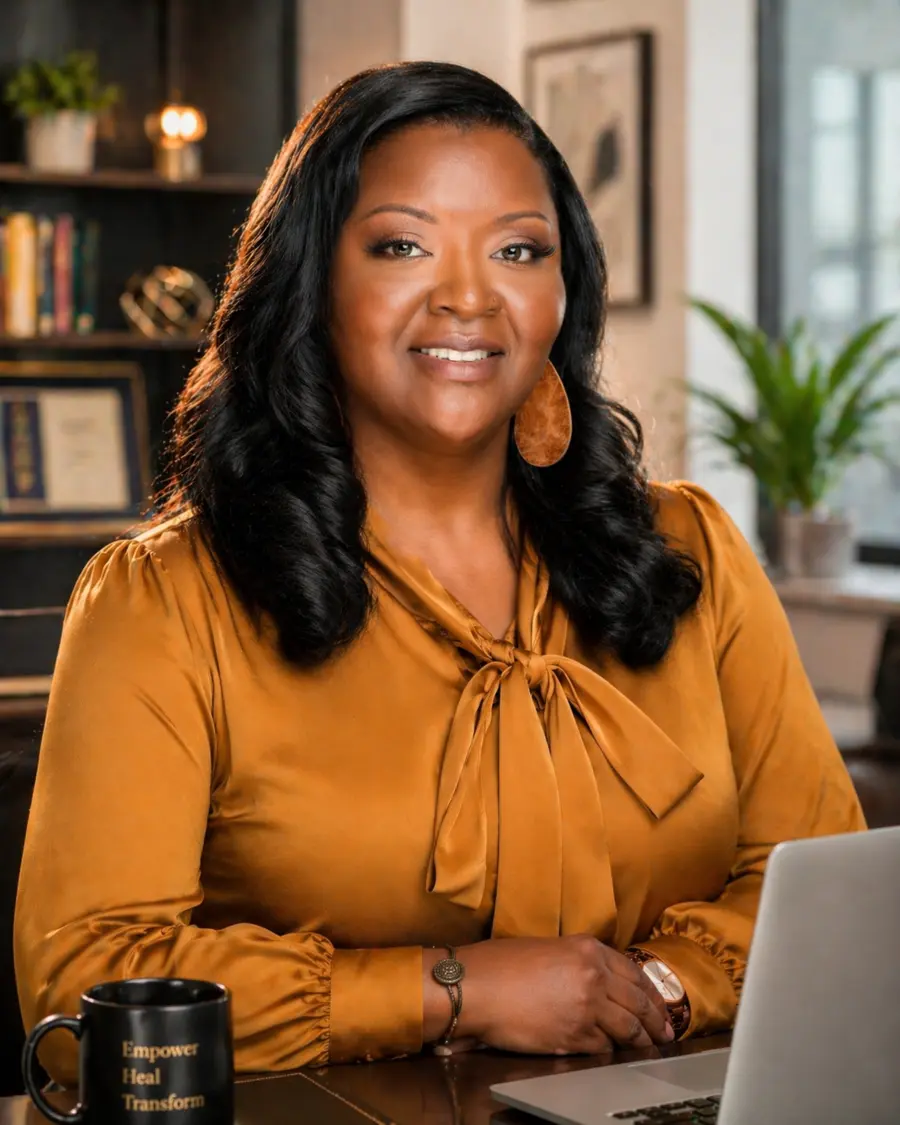
Meet Lontonia
Lontonia Bryant, LCMHC, LPC, CADC, is a licensed therapist and workplace mental health consultant. She helps healthcare and college leaders recognize distress, hold better conversations, and connect people with appropriate support.
Her clinical and EAP experience shapes practical training that respects workplace boundaries. Leaders learn what to notice, what to say, when to refer, and how to follow up.
Discuss training for your organization
Use a 30-minute consultation to clarify your audience, the situations they face, and the response skills they need.
Discuss training for your organization